Department of Political Science is
one of the first department to
have been established in the college. The department was established by Prof
Badiuzzaman, the founder HOD during the period the college was being run in its make
shift premises in the Qasmi
High School.
For a brief period, Professor Zaman left the college for a
different assignment and Prof
Enamul Haq took over the reins of the department. On Prof Zaman’s return, Prof
Enamul Haque, handed him back the reins of the department and since then Prof
Zaman retained the headship of the department till his superannuation in the year
2008.
Prof Rizwan Kauser, in the year 1978 joined the department to strengthen
its
faculty base. In 1983, Prof Mohiuddin Mian joined as the fourth faculty member of
the
department.
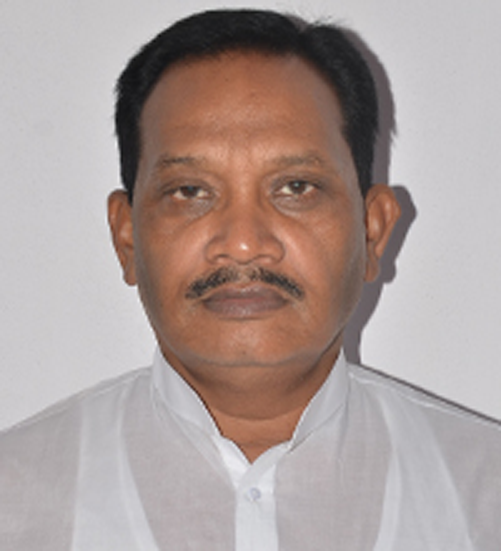
Dr Md Ali Hussain joined the department, first as an ad hoc (3rd Jan 2005) and subsequently as a permanent faculty member against the post vacated by Prof Badiuzzaman. Dr. Md. Ali Hussain joined the department initially as an ad hoc faculty member on 3 rd January 2005, and later became a permanent faculty against the post vacated by Prof. Badiuzzaman. He also served as the Head of Department before being appointed as Professor In-charge on 14th March 2024. On 11th July 2025, he assumed the position of permanent Principal of the college and ad hoc teacher Dr Md. Qayum has been imparting teaching to under graduate as well as Post Graduate students often the college.